

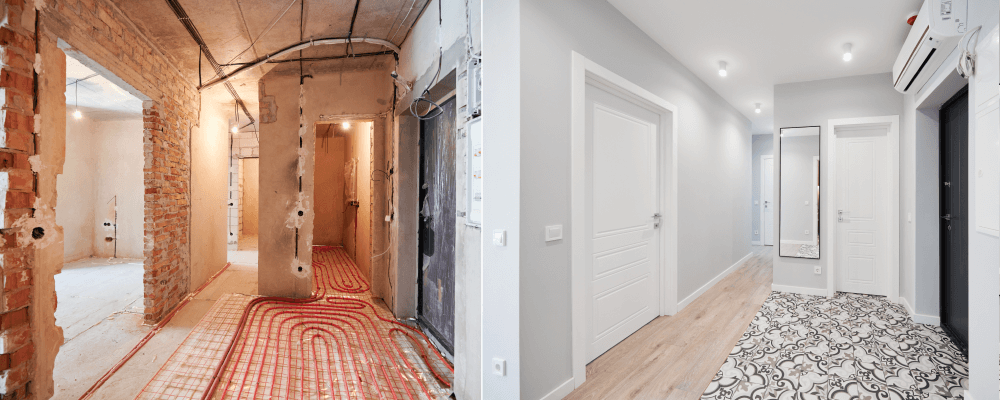
5 Signs Your Property Needs a Rehab
I’ve walked through enough buildings to know when something just feels off. Sometimes it’s the lingering smell of mildew. Other times it’s the way tenants avoid using common spaces. I’ve learned to read the signs—and one of the most important signals I pay attention to is when a property needs a rehab.
Knowing when to act saves money, boosts property value, and helps me keep great tenants. Ignoring the signs, on the other hand, costs more than just repairs. It risks vacancies, poor reviews, and declining ROI. In this post, I’ll walk you through the five biggest red flags I look for when deciding if it’s time to invest in a rehab.
Tenants Complain More Frequently
I never dismiss tenant complaints as “just noise.” When I start hearing recurring issues—like plumbing backups, weak water pressure, broken appliances, or HVAC problems—I dig deeper. These complaints usually point to aging systems and neglected upkeep.
The thing is, tenants talk. If one unit is dealing with black mold in the bathroom or a leaky ceiling, others are noticing too. The longer I wait to resolve these complaints, the faster trust erodes. That leads to poor reviews, higher turnover, and eventually longer vacancies.
A property that constantly triggers maintenance requests usually hides larger structural issues. Instead of chasing fixes one at a time, I evaluate the building holistically and determine if it’s time for a rehab.
I’ve used tools like AppFolio to track tenant maintenance requests and identify patterns. When trends appear, I know it’s time to act.
2. Maintenance Costs Keep Increasing
I track maintenance expenses closely. If I start seeing monthly spikes in repairs—especially in electrical, plumbing, or HVAC—I know I’m dealing with a band-aid approach. Reactive maintenance might work short-term, but it doesn’t hold up long-term.
Here’s a rule I live by: if maintenance costs exceed 1.5% of the property’s value annually, I start planning for rehab.
I once managed a 12-unit complex that needed weekly plumbing calls. After the third tenant moved out, I ordered a full plumbing inspection. The lines were nearly 40 years old. Replacing them saved me thousands in service calls over the next two years and stopped the tenant exodus.
When I rehab a property proactively, I control the budget and the timeline. When I wait for systems to fail, I lose both.
3. Visual Appeal is Fading
Curb appeal and common area aesthetics influence tenant decisions more than most owners admit. If my exterior paint is peeling, hallways look dingy, or cabinets and countertops scream 1990s, I take it as a sign.
Today’s renters expect modern finishes—even in affordable housing. Outdated kitchens, dim lighting, cracked tile, and worn carpet don’t just hurt appeal—they devalue my rental rates.
I’ve worked with Home Depot Pro for cost-effective rehab materials that align with my property’s class. A few smart updates—like LVP flooring, modern hardware, and fresh paint—can transform an entire unit for under $5,000. And I’ve consistently seen a $150-$250 monthly rent increase on those units post-rehab.
Aesthetics matter. When tenants see upgrades, they feel more at home—and more willing to stay.
4. Your Vacancy Rate is Climbing
If my units sit empty longer than usual, I don’t just blame the market. I take a hard look at my property. Rising vacancies often signal that something isn’t working. Maybe the interiors feel dated, or maybe word has spread that the building isn’t well-kept.
Prospective tenants judge within the first few seconds of a showing. If they walk into a space that smells musty or looks untouched for years, I’ve already lost the lease.
After noticing a 10% vacancy spike in one of my buildings, I invested in a targeted rehab—updated kitchens, energy-efficient lighting, and pressure-washed the building exterior. Within three months, I filled every unit. That investment returned within the first year, thanks to stabilized occupancy and higher rents.
I also use listing performance tools from Zumper to test if my pricing is competitive and if rehab photos generate more traction.
5. Utility Bills Are Climbing (and Tenants Are Complaining)
If tenants pay their own utilities, they’ll complain loudly about high energy bills. If I pay utilities, I feel the pressure in my margins. Rising bills often signal outdated HVAC systems, poor insulation, or clogged ductwork.
One of the most overlooked indicators of rehab need is airflow inefficiency. If tenants complain about inconsistent temperatures or moisture buildup, I check ducts, insulation, and windows.
I’ve seen major ROI just by combining duct cleaning and HVAC rehab. In one building, I installed new programmable thermostats and insulated attic spaces. The tenants reported better comfort, and I saved 22% on utility costs in the first year.
To track energy efficiency, I monitor consumption with smart devices and sometimes consult with vendors like Trane Residential for HVAC optimization solutions.
Property Needs a Rehab – Key Phrase Strategy
Now let me bring it home by focusing on the key phrase: property needs a rehab. This isn’t about gutting a building or flipping for profit—it’s about maintaining asset performance. When I spot signs that my property needs a rehab—whether it’s rising costs, tenant complaints, or higher vacancies—I take action. I’ve seen what happens when a property needs a rehab but ownership delays. The costs compound, the tenants leave, and the building loses value fast. So when I sense that a property needs a rehab, I make the decision early. That mindset helps me protect my investment and serve my tenants better every time.
Conclusion: Rehab is an Investment—Not a Cost
Property rehab can feel overwhelming, especially when I’m juggling multiple units. But waiting until things fall apart always costs more. Every property I’ve ever rehabbed on time has paid me back—in occupancy, rent growth, and peace of mind.
Rehab isn’t about perfection. It’s about performance. And knowing the right time to act separates average landlords from high-performing property managers.
If you’re unsure where to start, visit MagicTurnkey.com. I offer full-service rehab solutions that align with your budget and boost your ROI—without disrupting your operations.